Acrylic Face Mount
The most visually intense of the standard print formats. Acrylic face mounting produces a depth and luminosity that no other presentation achieves.
When a photograph is face-mounted behind acrylic, something happens to the image that is difficult to describe until you see it in person. The colours deepen. The blacks become genuinely black. The image appears to carry its own light rather than reflecting the light in the room. It is a different viewing experience from a framed print, and for certain images in certain spaces it is the most powerful presentation available.
What is Face-Mounted Acrylic? How Diasec Fine Art Printing Works
In a face-mounted acrylic print, the photographic print is bonded directly to the back surface of a sheet of clear acrylic, typically 4 to 8 mm thick. The bond is permanent and airtight. There is no air gap between the print and the acrylic face, no glass separately mounted in a frame, no condensation risk.
The process is also known as Diasec, a brand name that has become a generic term in the fine art printing industry, in the same way that giclée refers to the inkjet printing method rather than a specific product. The result is a single, rigid object: acrylic in front, aluminium backing behind, with the image sealed between them.
Like aluminium dibond, a face-mounted acrylic print hangs on a recessed float mounting system. From the front, there is no frame and no border. The image runs to the edge of the acrylic sheet.
Float framing is also available for those who want a framed edge: the acrylic piece sits within a shadow box frame, floating visibly within it. This adds a sense of depth and a more deliberate presence on the wall without compromising the luminosity of the acrylic surface. It can be discussed individually when ordering.
How Acrylic Face Mounts Differ from Framed Paper and Aluminium Dibond
The most important difference from a framed paper print is what happens at the surface. A framed print under glass, even museum glass, has a layer of air between the glass and the print, and the glass surface itself sits between the viewer and the image. With face-mounted acrylic, the image is bonded directly to the material the viewer is looking through. The optical path is shorter and the image appears closer, more immediate, and more saturated.
Compared to aluminium dibond, acrylic face mounting is glossier and more luminous. Aluminium dibond has a cooler, more restrained surface: the image sits on the material rather than appearing to come through it. Both are frameless and contemporary, but they produce a different mood. Dibond reads as precise and architectural. Acrylic reads as immersive and rich.
Compared to fine art paper, acrylic has none of the warmth or texture of cotton rag. It is harder, colder, and more dramatic. For certain images (particularly those with strong colour, deep shadow, or high tonal contrast) this is exactly right. For quieter, more intimate work, the warmth of matte paper is usually the better match.
The Visual Character: Luminosity, Depth, and Colour in Acrylic Prints
The defining quality of face-mounted acrylic is the sense that light comes from within the image. This is partly optical (the acrylic refracts light differently from glass or air) and partly a function of how the bonding process affects the print itself. Colours that would look considered on matte paper become vivid. Tonal transitions become smoother. The darkest areas of the image have a depth that matte surfaces can't match.
This quality is referred to as D-Max, the maximum density of black a print can achieve. Face-mounted acrylic consistently produces the highest D-Max of any standard print format. In images where shadow areas carry meaning, where the absence of light is as important as the light itself, this matters.
The surface is high gloss. This means reflections are present, particularly in rooms with strong directional lighting. The trade-off is that the image itself has more impact when viewed from the right angle and distance. In a well-lit room or gallery setting, this is rarely a problem. In a corridor or a room where the viewer can't control their angle, it is worth considering.
When to Choose Acrylic: Images That Suit the Format
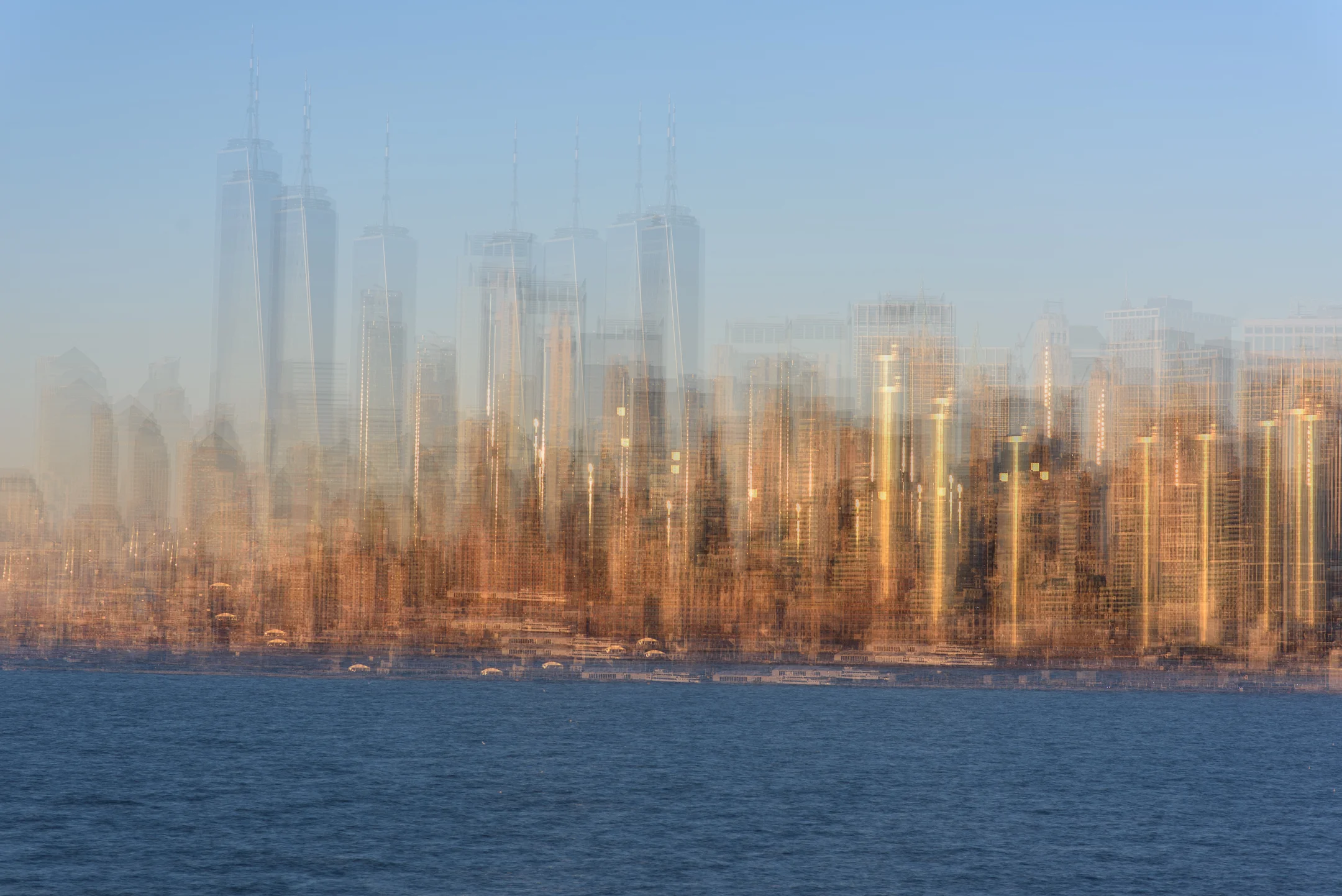
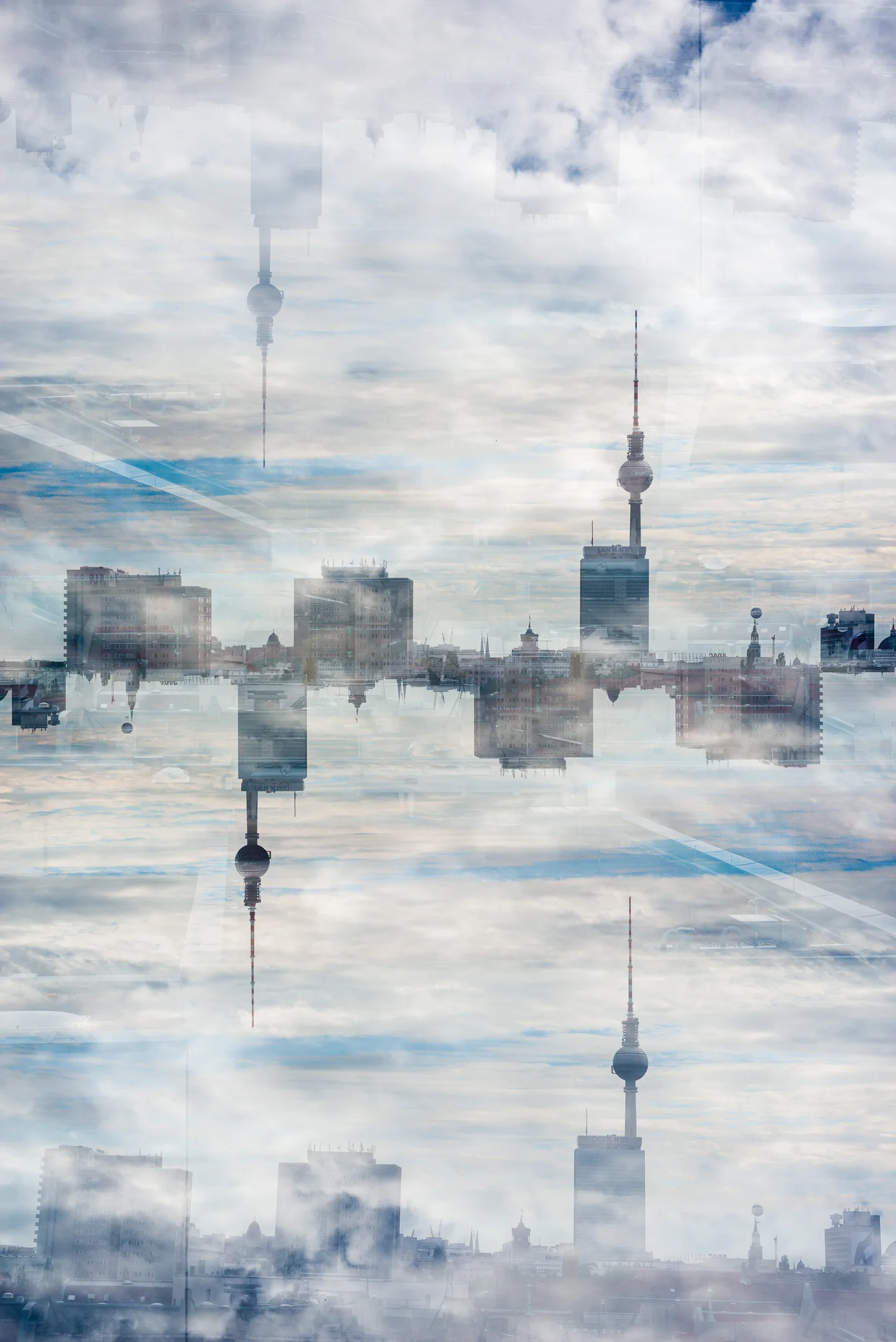
Acrylic face mounting rewards images with a strong tonal range: photographs where the full spectrum from deep black to bright highlight is present and important. Multiple exposures with layered colour, cityscapes at dusk, work where the mood depends on how the light reads. These translate particularly well.
Images that are quiet, minimal, or monochromatic in a soft way often work better on matte paper. The acrylic surface adds drama, and not every image benefits from drama. The question is whether the visual intensity of the format matches the intensity of the image. When it does, the result is a piece that is difficult to walk past.
For work intended for a gallery environment, a collection, or a high-end residential space where the print is the primary object in the room, acrylic is worth serious consideration. It is the format that most closely replicates the experience of seeing a photograph in a contemporary gallery setting.
Practical Considerations: Weight, Surface Care, and Installation
Face-mounted acrylic is heavier than an equivalent aluminium dibond print, and significantly heavier than a framed paper print of the same dimensions. At large sizes this becomes a real factor. A 100 × 150 cm acrylic piece requires proper wall fixings and should be installed with care. This is not a limiting factor (the process is well-established and straightforward), but it is worth knowing before planning the installation.
The acrylic front surface can scratch if handled carelessly. Once installed, it is protected by its position on the wall, but during transport and installation it needs attention. A reputable printer will deliver the piece with protective film on the surface, which should only be removed once it is in its final position.
Standard acrylic does not filter UV light. For long-term preservation in spaces with strong natural light, UV-resistant acrylic is available. This is worth discussing if the piece will hang in direct sunlight or in a room with significant UV exposure.
Discussing Acrylic as a Presentation Option
Like all format choices, whether acrylic face mounting is the right option depends on the image and the space. It is not always the most appropriate choice, but when it is, it produces a result that none of the other formats can match.
If you are considering acrylic for a specific piece, describing the space and the context when you get in touch will make the conversation more useful. The choice of format is part of how a print becomes the right object for a particular room.