Print Sizes
Size is a spatial decision as much as an aesthetic one. The right format depends on the image, the wall, and what the piece is supposed to do in the room.
There is no universally correct print size, but there are sizes that work well in particular contexts and sizes that don't. Getting this right before ordering matters: a print that is too small for a wall looks provisional, and one that overwhelms a space is difficult to live with. The following covers the standard formats, how to think about scale, and what to account for when framing adds to the overall dimensions.
Standard Fine Art Print Sizes and What They Look Like in a Room
Standard formats follow a consistent progression. At the entry level, 40 × 60 cm (approx. 16 × 24 in) is a considered piece that suits smaller rooms, studies, corridors, and intimate domestic spaces. It doesn't demand attention from across the room, but up close it holds it.
60 × 90 cm (approx. 24 × 36 in) is the most versatile format. It works above a desk, a console table, or on a wall with limited width. In a bedroom or living room it reads as a proper artwork without dominating. For many collectors it is the starting point for a first piece.
At 80 × 120 cm (approx. 32 × 48 in) a print becomes a statement. It needs a wall that can carry it, but in the right room it anchors everything around it. This size works particularly well in open-plan spaces, above a wide sofa, or as the main piece in a living area.
100 × 150 cm (approx. 40 × 60 in) is the format for a wall that is meant to be about one thing. At this scale a single print defines the room. It is not a size for every space, but in the right context nothing else is needed.
Print Aspect Ratios: 2:3 Portrait and 3:2 Landscape
The standard aspect ratios for fine art photography are 2:3 (portrait, taller than wide) and 3:2 (landscape, wider than tall). These proportions come directly from full-frame camera sensors and feel natural because they reflect how the image was captured.
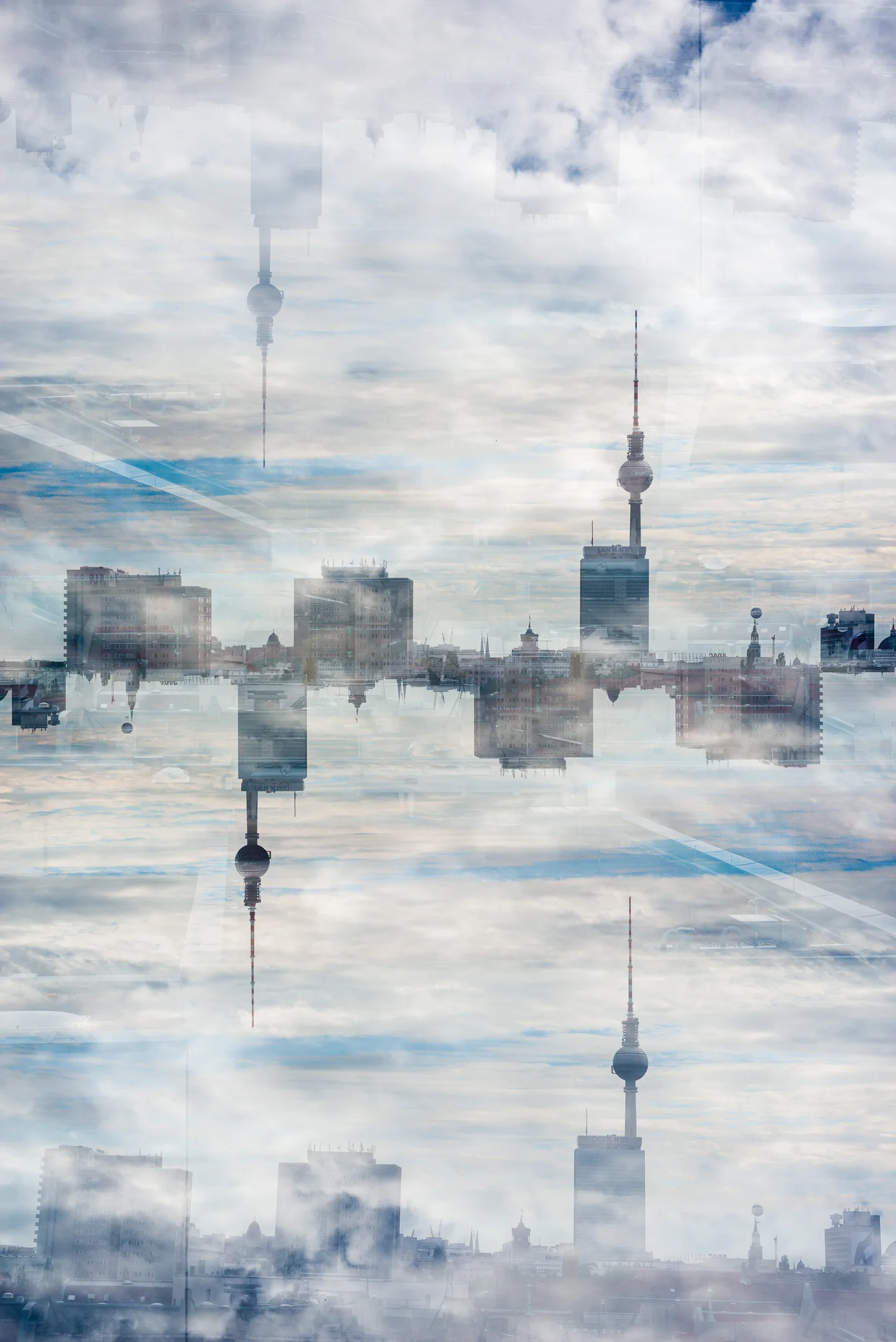
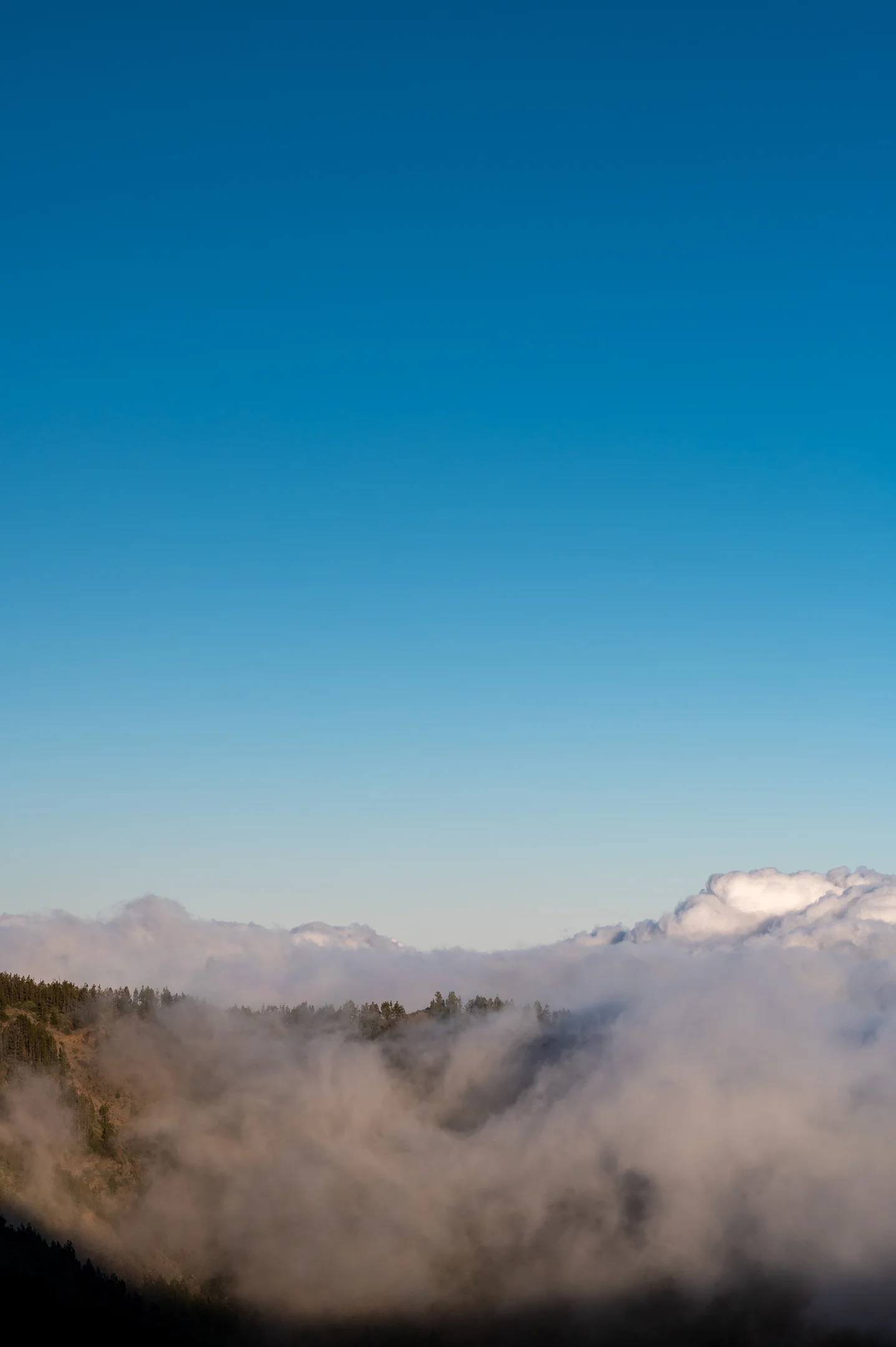
A 2:3 portrait print at 40 × 60 cm (approx. 16 × 24 in) scales up to 60 × 90 cm (approx. 24 × 36 in), 80 × 120 cm (approx. 32 × 48 in), and 100 × 150 cm (approx. 40 × 60 in). The portrait orientation draws the eye upward and suits walls with height: architectural details, vertical compositions, and images where the vertical movement of the frame is part of the picture.
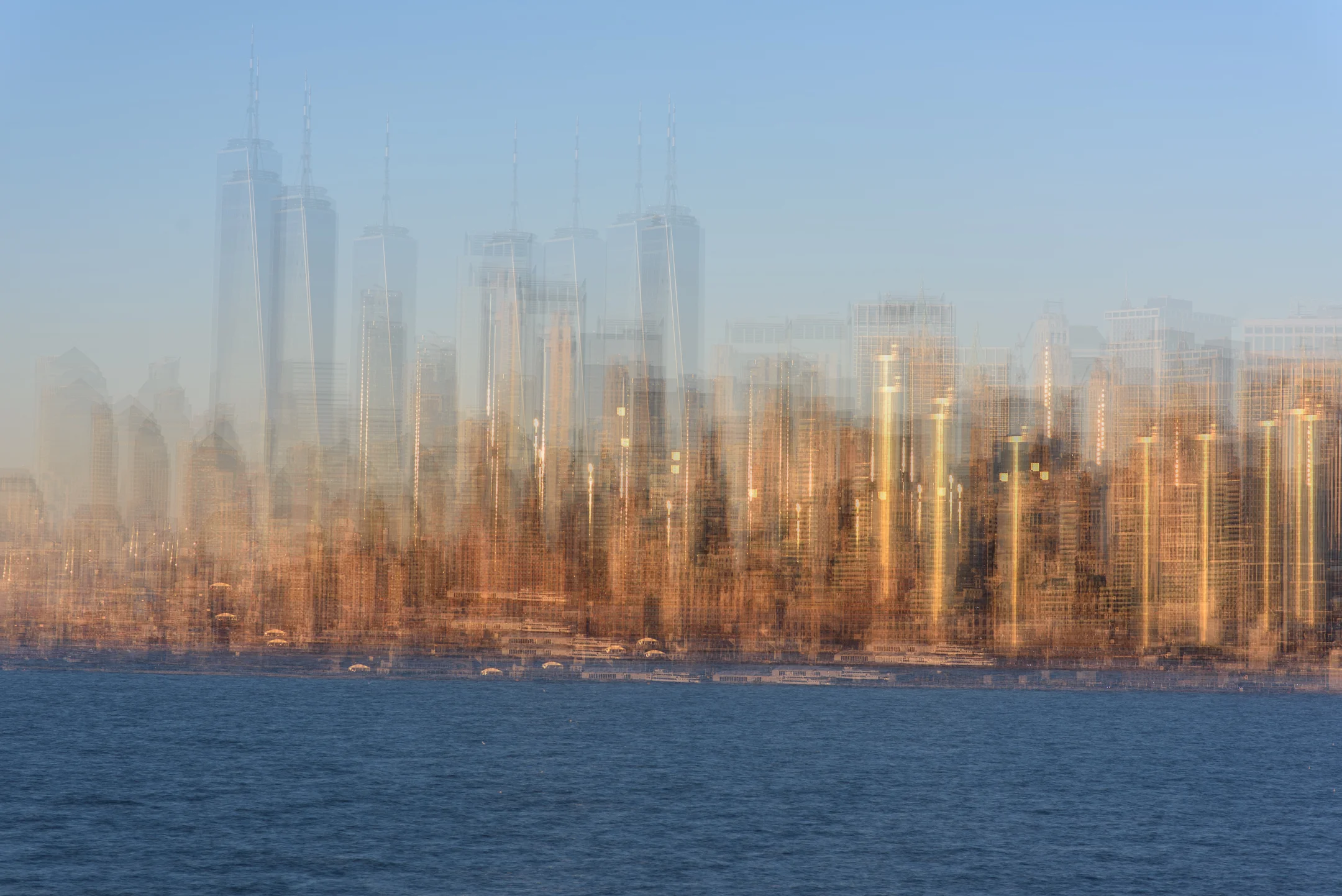
A 3:2 landscape print at 60 × 40 cm (approx. 24 × 16 in) scales to 90 × 60 cm (approx. 36 × 24 in), 120 × 80 cm (approx. 48 × 32 in), and 150 × 100 cm (approx. 60 × 40 in). The horizontal sweep suits wide walls and panoramic subjects. A landscape print above a sofa reads as an extension of the horizontal line of the furniture.
Custom aspect ratios are available for specific situations: a square format, a wider panoramic, or a print cut to match particular wall dimensions. These are discussed individually and depend on the image in question. Not every photograph works at every ratio.
How to Choose the Right Print Size for Your Wall
The most reliable starting point is the furniture below. Art hung above a sofa, bed, or console typically works best at around two-thirds to three-quarters of the furniture's width. A 200 cm (approx. 79 in) sofa suggests a print, or a pair of prints, in the 130 to 150 cm (approx. 51 to 59 in) range. This isn't a rigid rule, but it prevents the most common mistake: choosing a print that looks right in isolation but floats without reference once it's on the wall.
Ceiling height affects the calculation differently. In a room with standard 2.4 m ceilings, a tall portrait print at 100 × 150 cm can feel heavy. In a room with high ceilings, a small print risks getting lost. The vertical scale of the room and the proportions of the print need to feel in conversation with each other.
There is a strong case, in contemporary interiors, for a single large piece over several smaller ones. A gallery wall of many small frames requires a lot of visual effort from the room. One print at the right scale settles into a space more quietly and lasts longer. It is also easier to live with: you don't stop seeing it after a few weeks the way you do with a busy arrangement.
When in doubt, err toward larger. The most common regret in print sizing is not going bigger. A print that fills a wall with room to breathe reads with confidence. A print that could have been larger tends to look like it is waiting to be replaced.
How Matting and Framing Add to the Hung Dimensions
The print size and the hung size are not the same thing. A matboard border typically adds 8 to 10 cm (approx. 3 to 4 in) on each side, so a 60 × 90 cm (approx. 24 × 36 in) print inside a standard mat occupies approximately 76 × 106 cm (approx. 30 × 42 in) before the frame itself. The frame profile adds a further 2 to 4 cm per side depending on the style chosen. A framed 60 × 90 cm print realistically hangs at around 80 to 115 cm (approx. 31 to 45 in). When planning wall space, adding 20 to 25 cm (approx. 8 to 10 in) to each print dimension gives a reasonable estimate for a standard framed presentation.
A wider gallery mat, which creates more visual breathing room between the image and the frame, increases these dimensions further. The matboard width is part of the aesthetic decision, but it is also a practical one if the space is constrained. The framing guide covers mat and frame options in more detail.
Aluminium dibond and flush-mounted prints have no mat. The frame is minimal or absent entirely, and the hung dimensions are close to the print dimensions. If wall space is tight or the room calls for a cleaner presentation, this is worth considering alongside the format choice. The aluminium dibond guide covers this in more detail.
Large Format Prints and Statement Walls
At 80 × 120 cm and above, a print stops being decoration and starts being architecture. It becomes the reference point for everything else in the room: the furniture arrangement, the lighting, the colour on the walls. This is not a problem. It is the point. But it requires committing to the piece rather than treating it as one element among many.
Abstract and minimalist photography scales particularly well. A multiple exposure or a painterly landscape retains its depth at large sizes and rewards the viewer who spends time with it. Work with strong geometric structure (architectural detail, clean horizons) also translates clearly at scale without becoming visually heavy.
For professional spaces (offices, reception areas, hospitality environments), large format is often the most appropriate choice. A single print at 100 × 150 cm on a reception wall reads as a deliberate curatorial decision rather than incidental decoration. It holds the space without demanding anything from it.
Very Large Format: 150 cm and Beyond
At sizes above 150 × 100 cm (approx. 60 × 40 in), up to 200 × 300 cm (approx. 79 × 118 in) and beyond, a print becomes more architectural than decorative. These formats are not designed to be examined closely. They are designed to fill a field of vision and create an environment. The viewer experiences them from across the room, or while moving through a space, rather than standing in front of them.
For this reason, very large prints work best with images that have clarity at a distance: strong tonal contrast, clean geometry, a clear horizon or dominant form. Abstract work that reads as atmosphere rather than detail (layered exposures, blurred motion, open sky) tends to hold well at this scale because the image doesn't need to resolve into fine detail to work.
The practical considerations shift at this size. Aluminium dibond is usually the right substrate: framed glass at these dimensions becomes very heavy and structurally demanding. Installation requires proper wall fixings and some planning. These are not pieces you hang on a standard picture hook, but the process is straightforward with the right preparation.
Very large format prints suit lobbies, stairwells, open-plan offices, and spaces with double-height walls: anywhere the architecture gives the print room to breathe and distance to be seen from. If you have a space like this in mind, it is worth discussing early in the process.
Choosing the Right Size for Your Space
The right size is the one that fits the image, the wall, and the room it will live in. These three things rarely point to the same answer without some thought, which is why the size conversation is part of the ordering process rather than a fixed choice from a catalog.
If you have a wall in mind, describing it when you get in touch makes the conversation more useful. Wall width, ceiling height, what is nearby: all of it helps. Custom dimensions are available where standard formats don't fit a specific space.