I’ve spent most of my life looking for rational explanations (and still rely on them). Out of curiosity and for clarity, but also because I needed ground to stand on in order to feel safe. If something could be reasoned through, mapped, understood from a sufficient distance, it felt manageable, secure and predictable. Emotions, other people’s and my own, didn’t offer that. They moved without warning and arrived without logic. So I kept them at a distance, and stayed on the side of things I could explain.
Photography, when I came to it, felt like familiar territory. There was so much to learn about the technique and technology. I devoured all of it: aperture, shutter speed, ISO, the geometry of light. The camera is a precision instrument. It was trusted to replace anatomical drawings because it didn’t interpret, it recorded. It mapped the moon. It was admitted into the courtroom as evidence. The photograph meant: this is what was there. I understood that, and it suited me.
Then I stepped into the middle of a stream in Nishinomiya, Japan, balanced on a few rocks near my university campus, and started slowing the shutter down. I had read that water looks better with longer exposures, so I tried it, and then I kept going, past what was suggested, until the water no longer looked like what my eyes had seen. It became something else. Softer, more continuous, a presence rather than a surface. I didn’t find it unsettling. It felt more like the scene than the scene itself, more like how standing in a stream feels than what standing in a stream looks like.
That gap, between the accurate and the true, is what I’ve enjoyed exploring ever since.
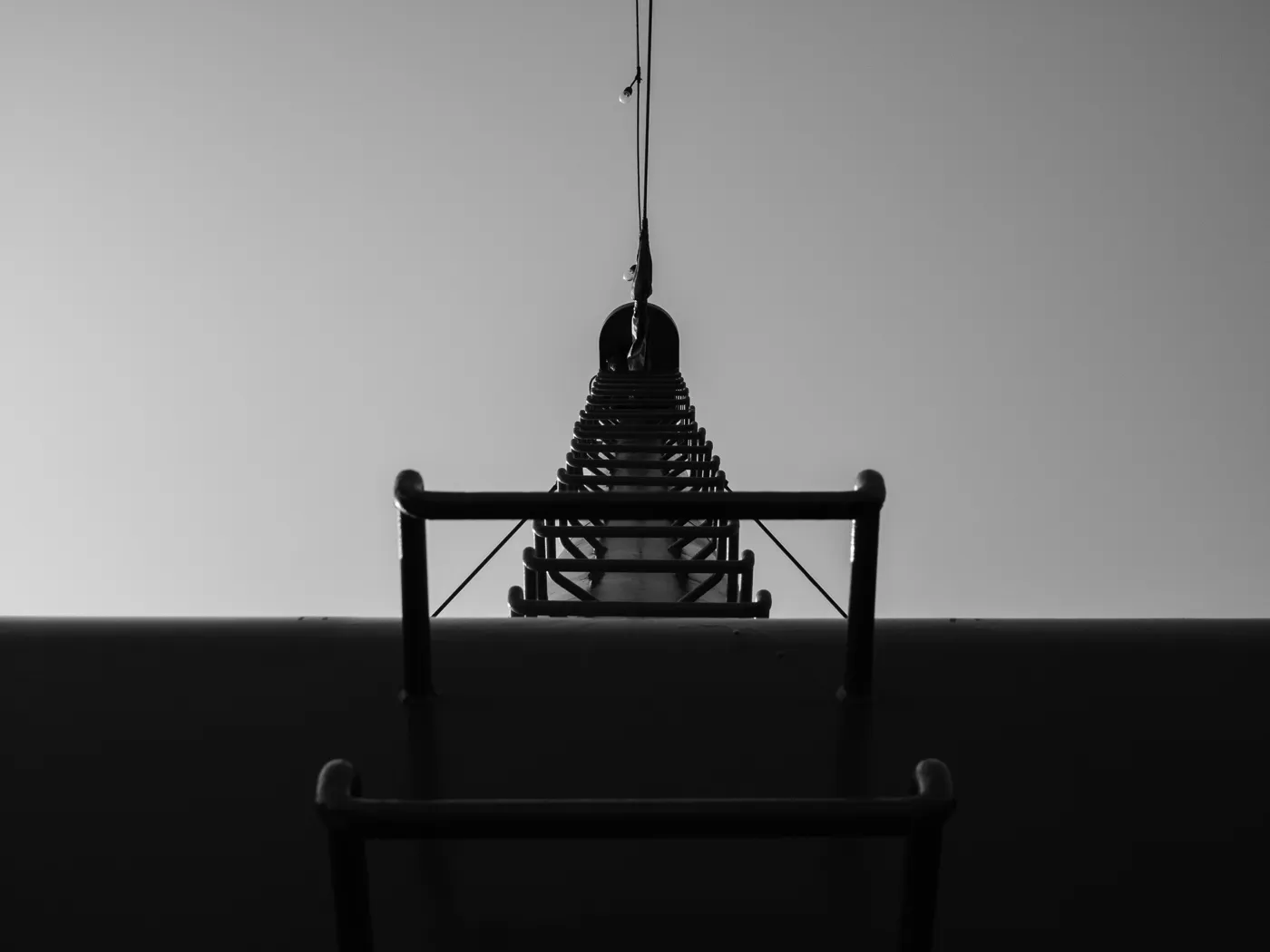
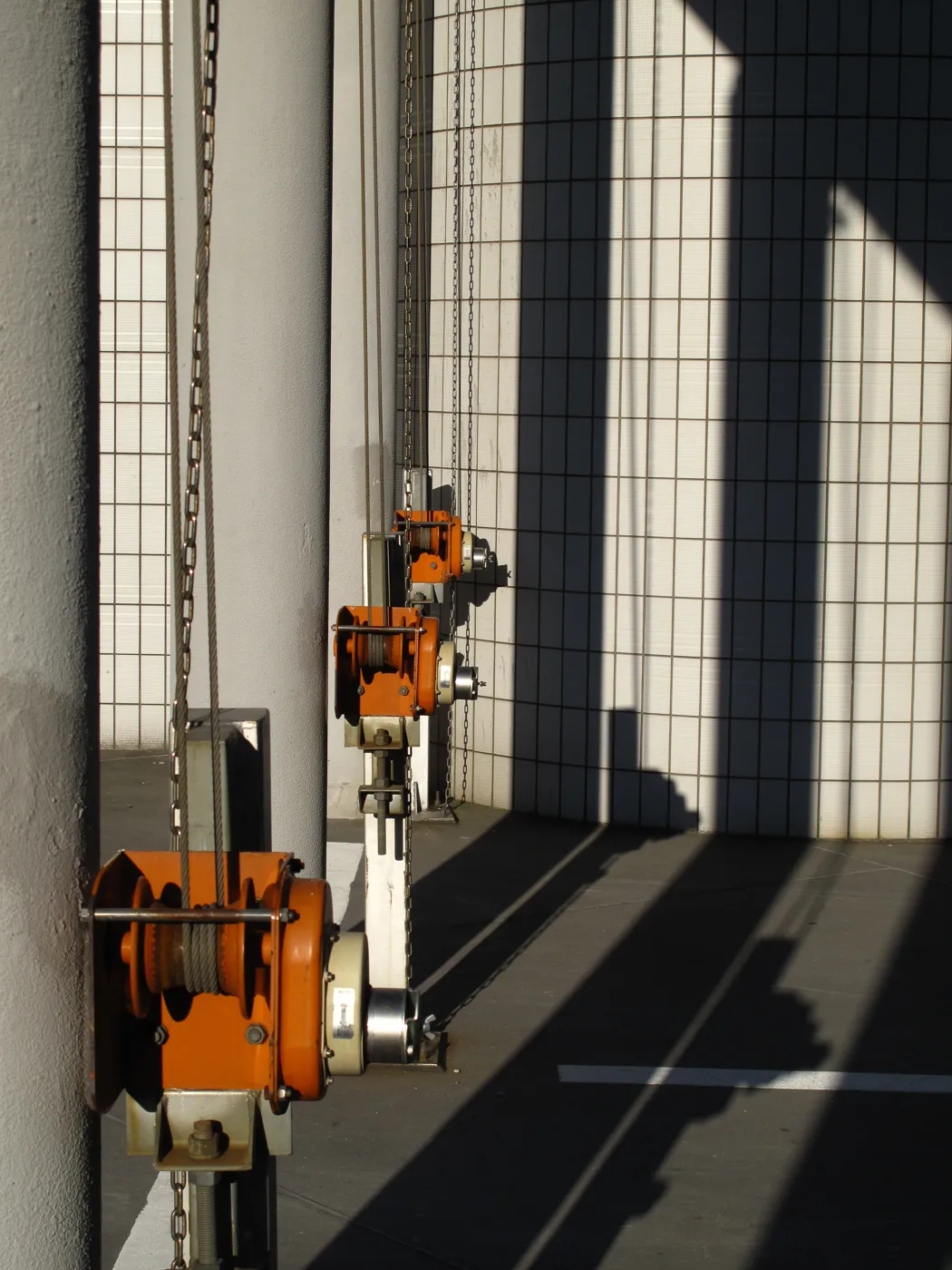
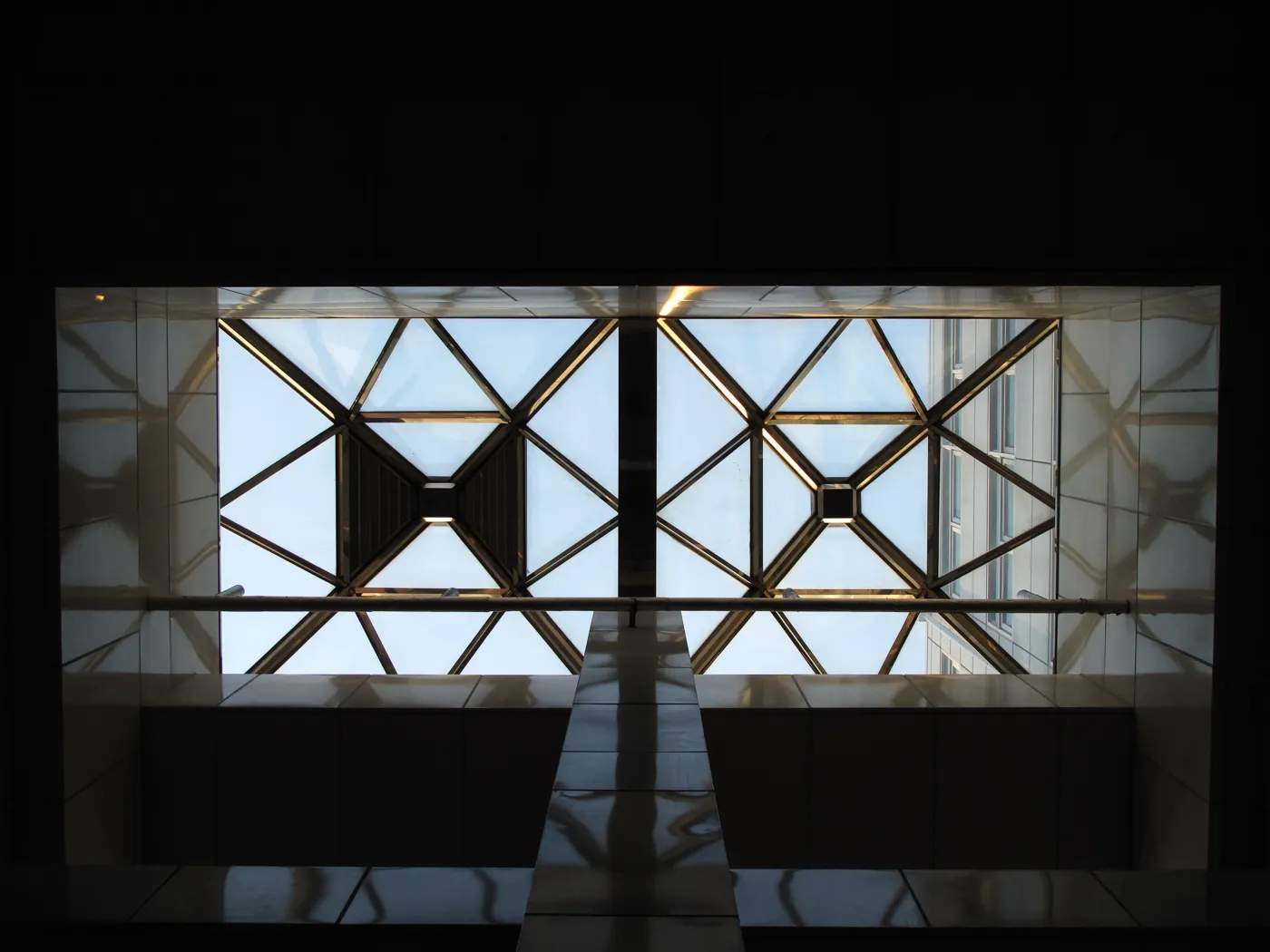
When I was living in Japan, I was drawn to minimalism. I used the viewfinder to reduce, to cut away, to find a clean and harmonious structure inside whatever was in front of me. I can see now that this was my rational side at work. Tokyo and Osaka were loud and crowded and constant, unfamiliar to me, and reducing them to something orderly was a way of managing how much was reaching me.
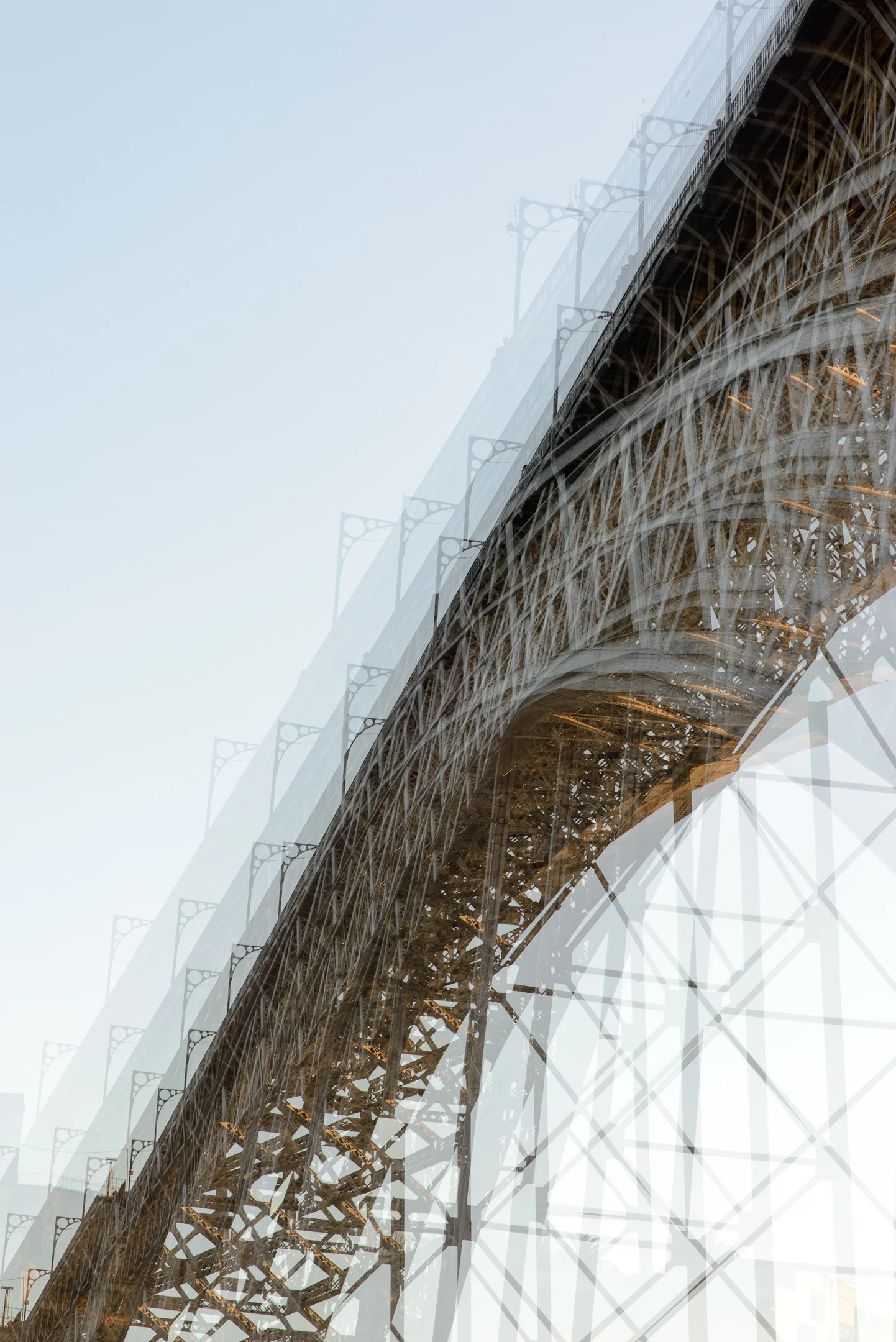
It was only later, living in Berlin, that I started making multiple exposures. By then I no longer wanted to hold the city at the frame’s edge. I wanted to let it in. To allow the busyness and overwhelm to become part of the feeling of being inside it, rather than following the urge to tidy my surroundings. Layering scenes that never happened at the same time, letting the world arrive from every direction at once, holding it all in a single frame. The instrument of proof turned out to be the only thing I had that could carry that.
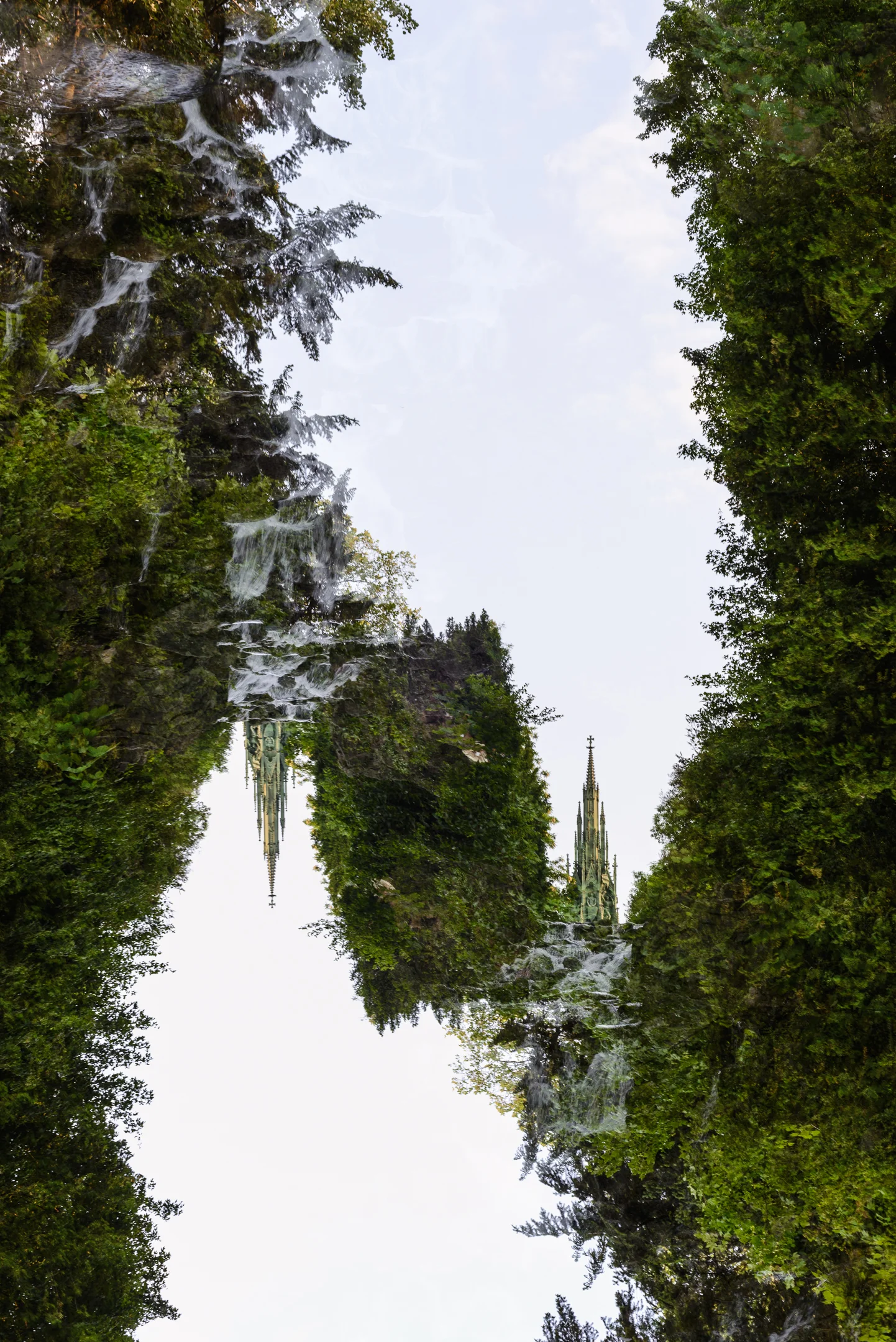
It took me longer to see that this wasn’t a break from what photography had always done. The X-ray shows structure the eye can’t reach. A long exposure of the night sky shows the Milky Way in full, which no one has ever seen with the naked eye, only with a camera and enough time. Alongside the tradition of the photograph as evidence, there has always been this other one: the apparatus used to uncover what can’t be seen. Not to record what is there, but to reveal it.
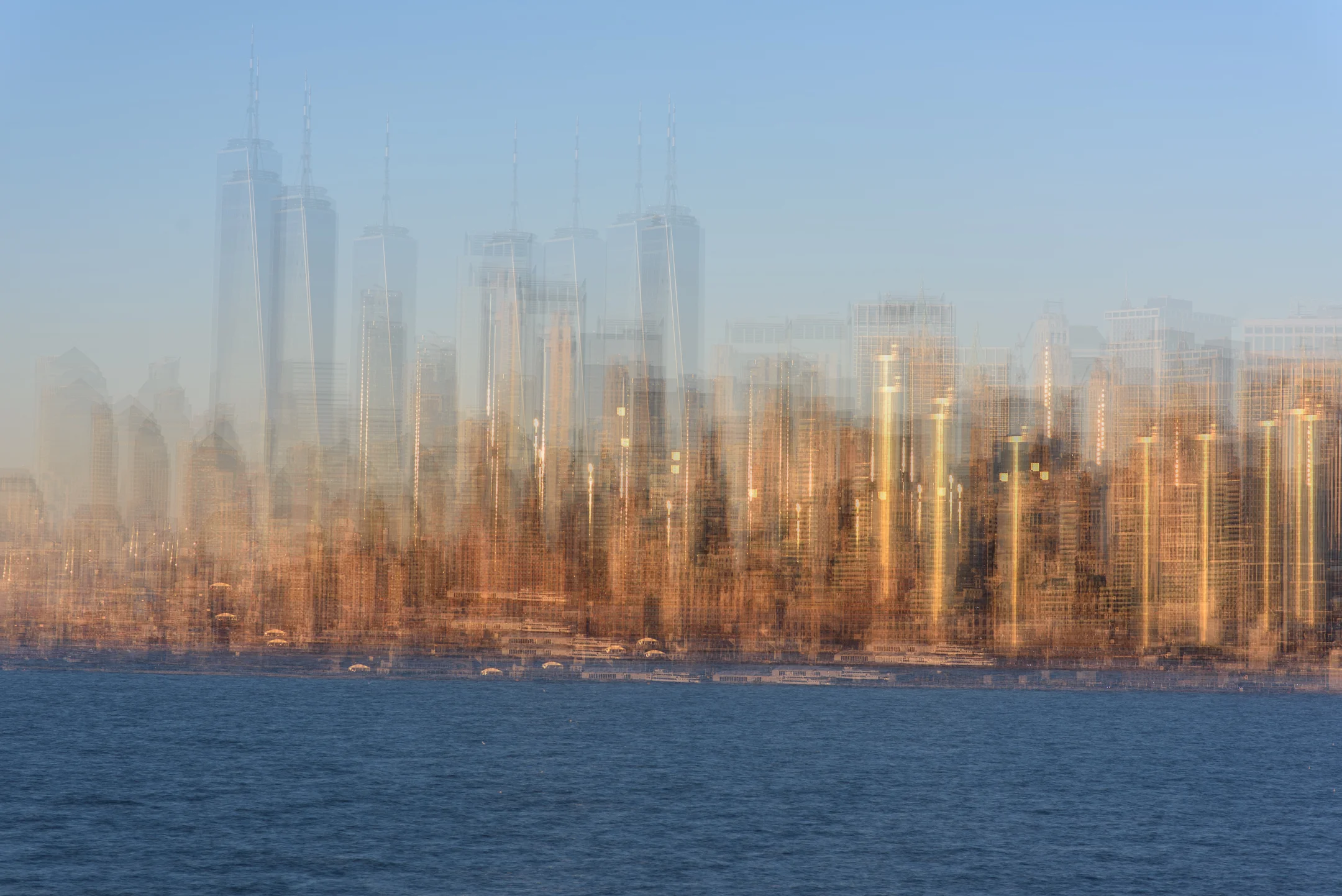
I came to photography as a rational person. I’m still in it as someone learning that precision and feeling were never opposites.
If you’d like to see some of the work, browse the gallery.
If you’d like to start collecting, sizes and prices are on the Prints & Pricing page.