Arrière-Pays
Arrière-pays is the French word for the hinterland, the country that sits behind the coast. Nice is at the edge of it, and plenty of people who spend a week on the Riviera never go up. The villages range from the valley floor to around 1450 metres at Beuil, and the difference shows in the temperature, in the light, and in how many people are around.
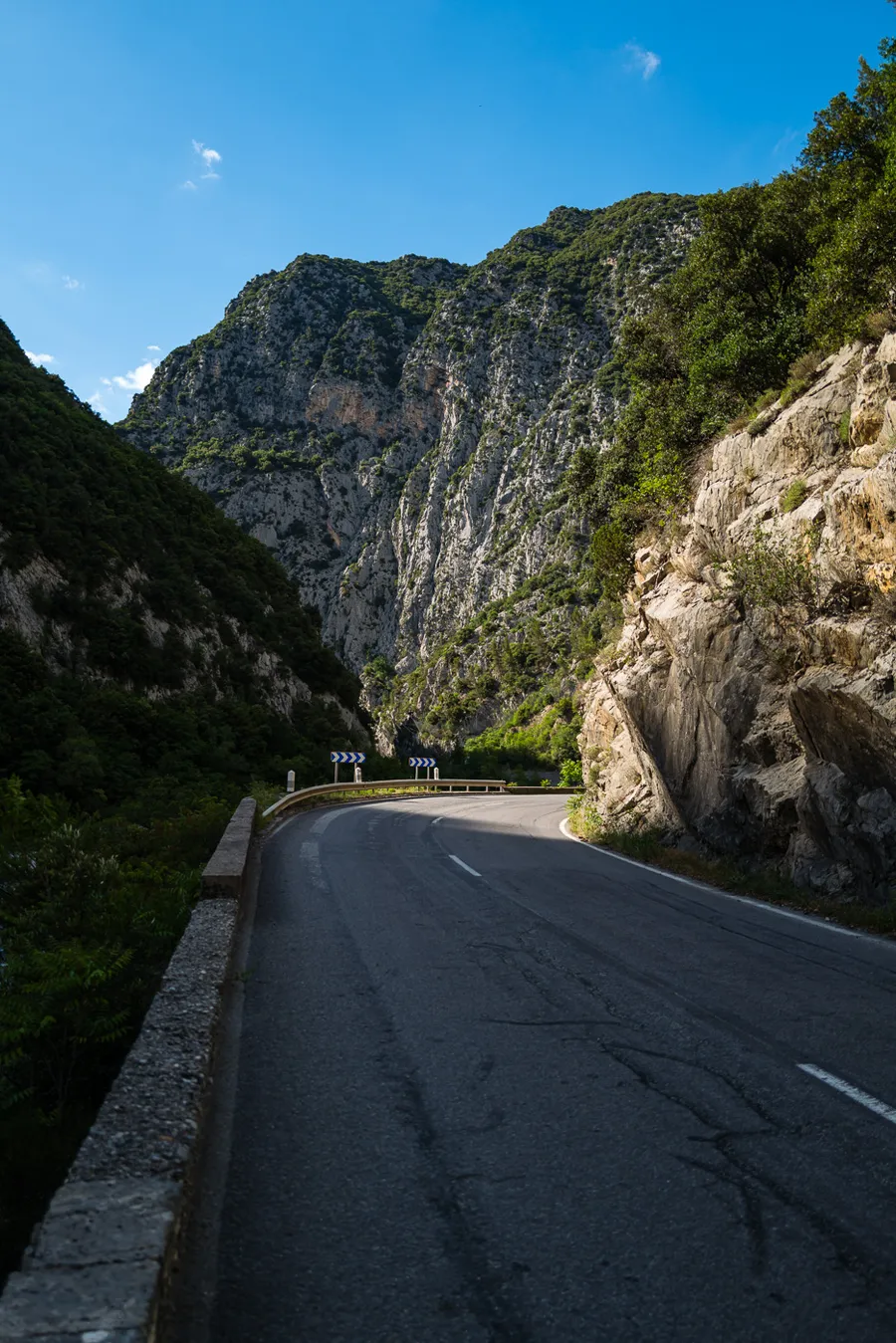
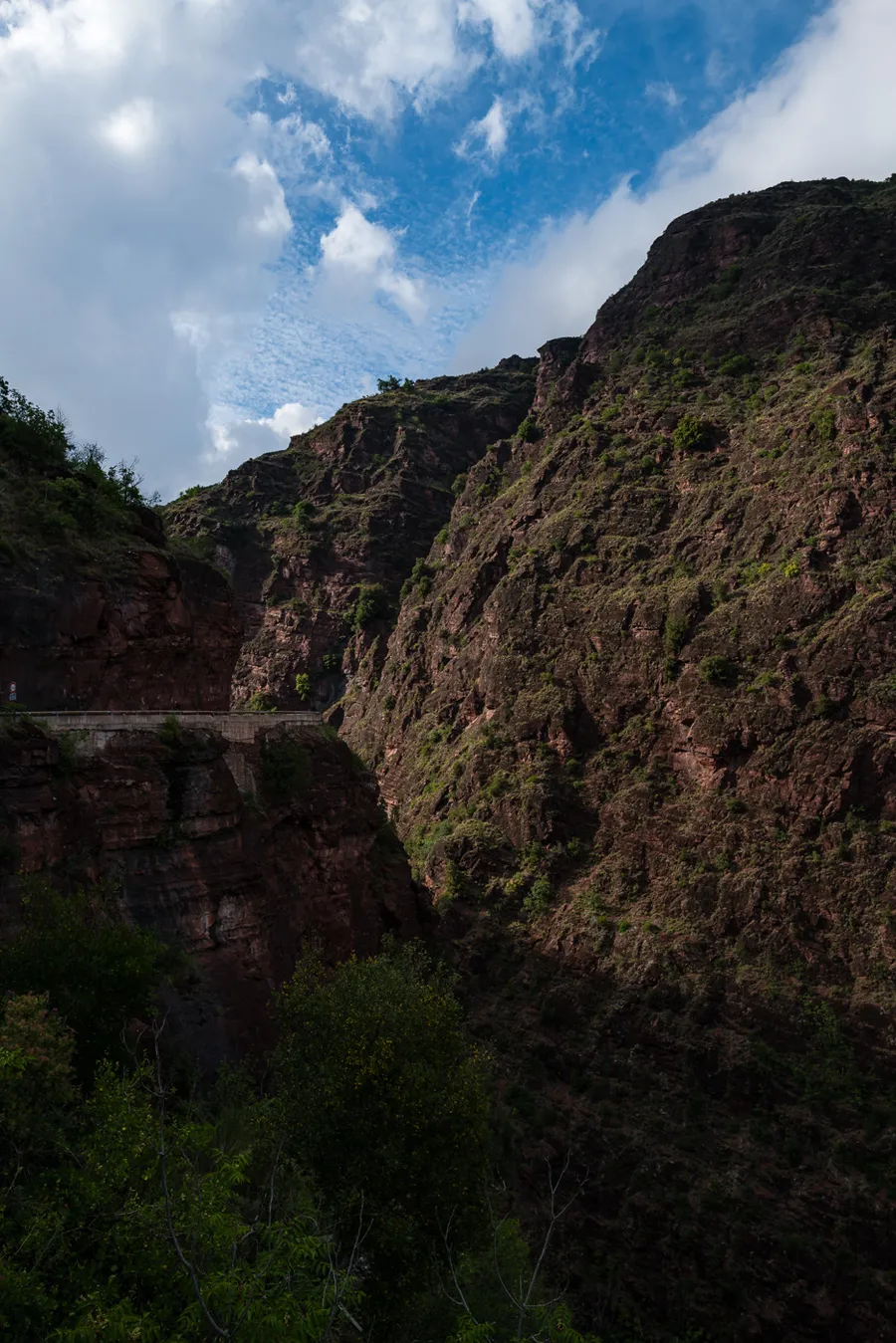
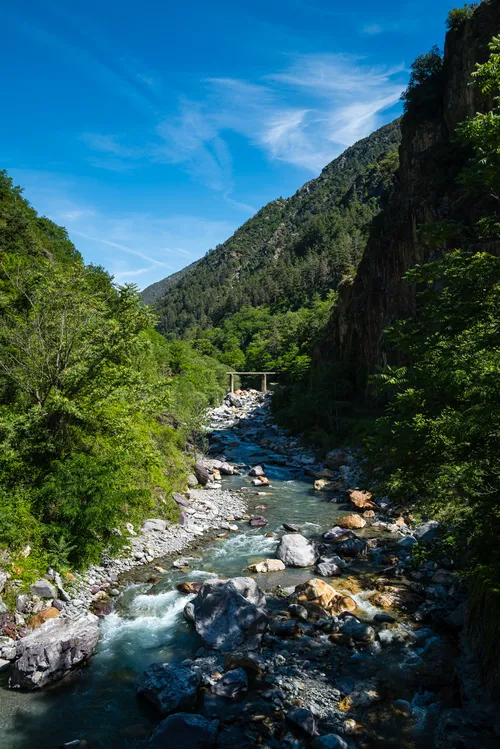
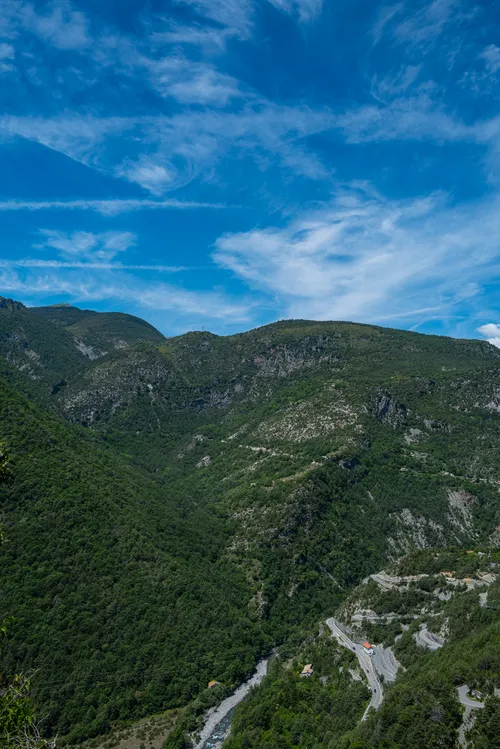
From Nice you drive north and the city drops away fast. The Tinée valley takes over: grey rock, the river below, a road that keeps climbing. The villages sit on the slopes above you. Some of them you don't see until you're already level with them.
The drive up takes somewhere between an hour and ten minutes and an hour and a half, depending on the route. There's a winding mountain road and an even windier one; we took the windier one. None of it is difficult driving, and if you sail past an exit now and then it hardly matters, because the way up is full of small stops worth pulling over for.
We spent a weekend in June, which turned out to be the right month for it. Nice was already warm, and when the coast heats up, heading into the mountains to cool off is half the point. The air turns fresher as the road climbs. Two nights in Roubion, five villages over the weekend: Roubion, Buisses, Beuil, Saint-Sauveur-sur-Tinée, Marie, each one different in altitude, character, and what the light was doing when we arrived. They appear below in the order we drove them. All photographs taken with my Leica Q2.
Roubion
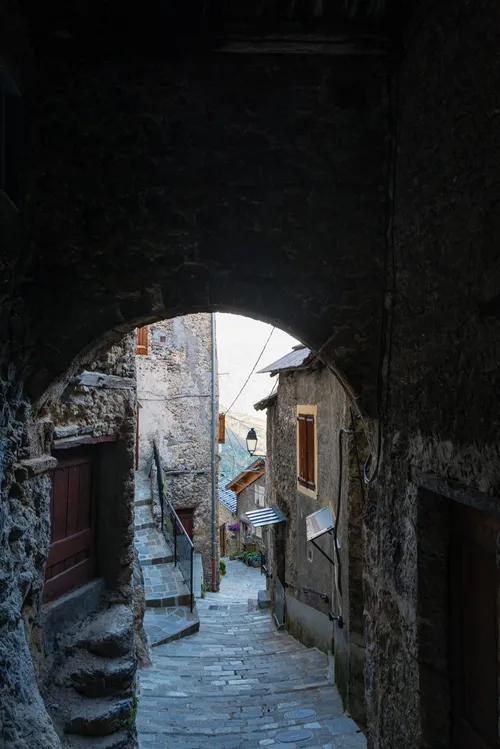
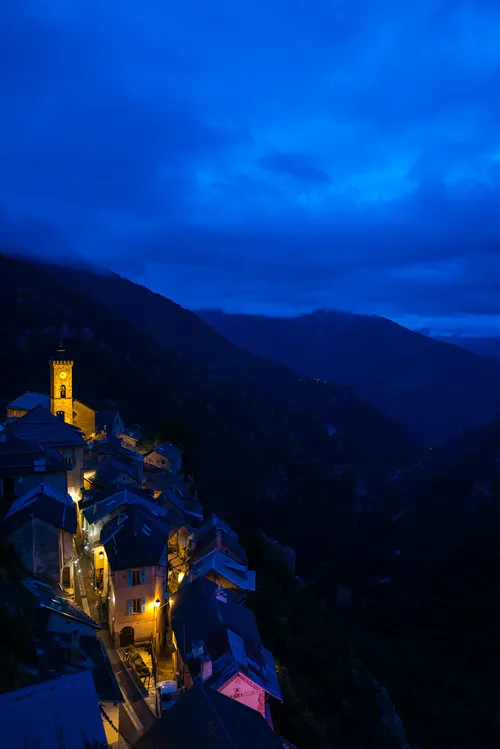
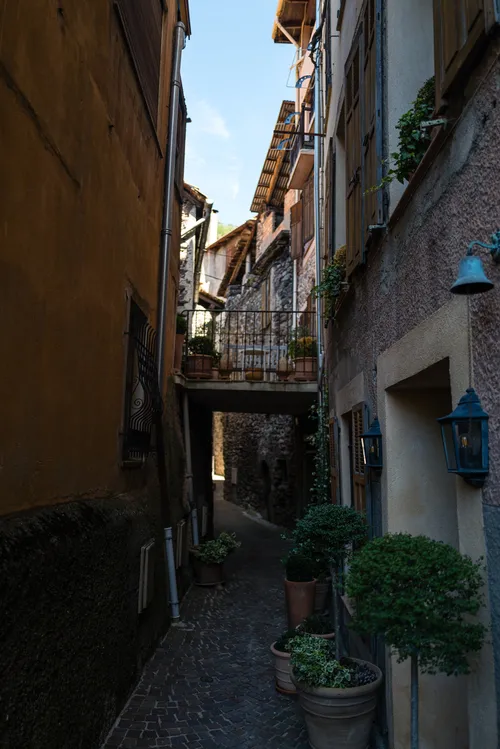
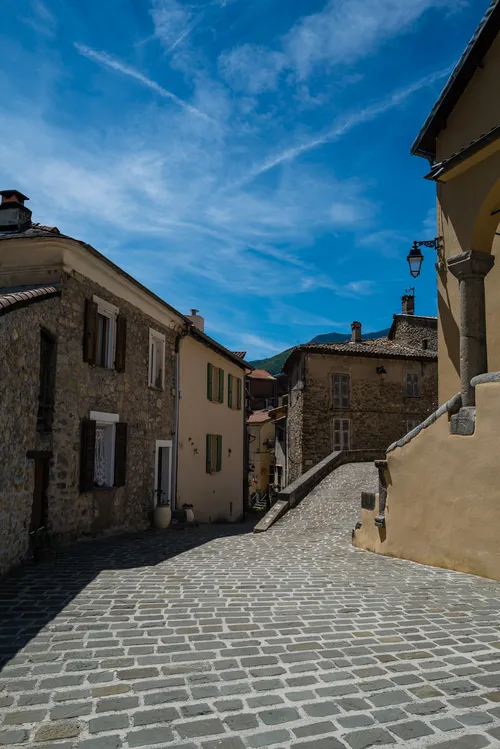
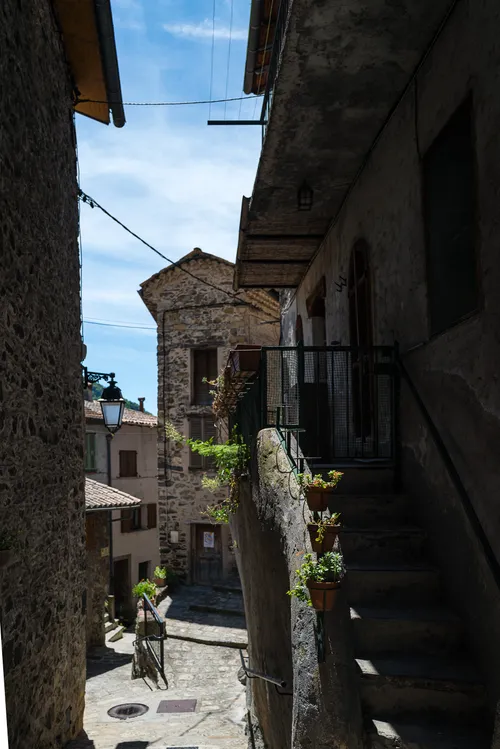
Our base for the weekend, two nights on a ridge at 1300 metres above the Cians gorge. Staying put gave us what a quick stop doesn't: the same stone in morning light, holding the heat through the afternoon, going cold once the sun drops and you feel the altitude. Maybe a hundred people live here year round and there's no real reason for anyone passing to stop. No cars come into the village either. The passages are stone and pedestrian only, and in that quiet the walls carry everything, including a conversation around a corner you can't see.
Buisses
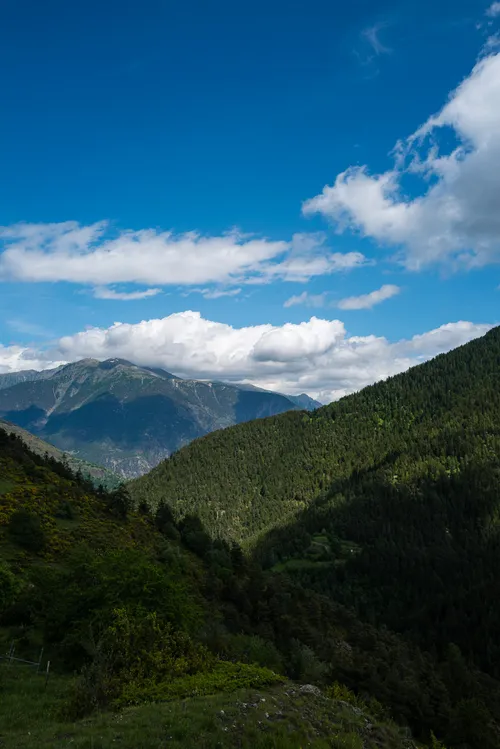
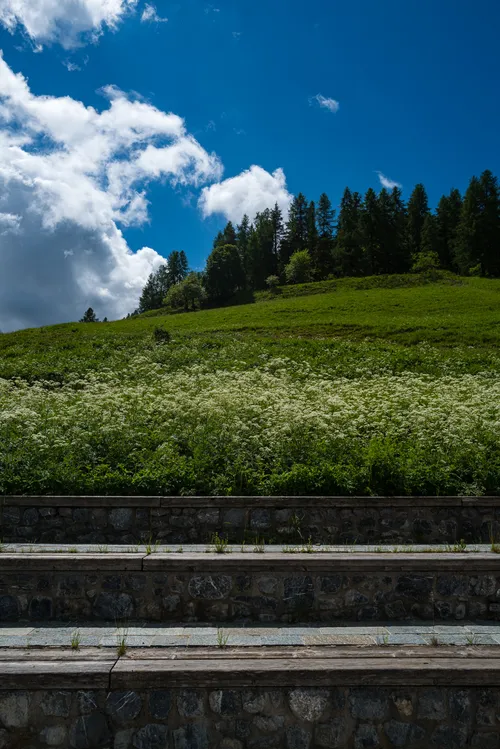
More hamlet than village, a cluster of buildings on the road between two valleys. In winter it's a skiing destination. We were there in late spring, when the runs had turned to grass and wildflowers and the slopes were full of hikers and mountain bikers instead. We took the télesiège up to the top. I'm not particularly good with heights, so the ride was its own small adventure. Up there, a little restaurant with long views over the valley and a steady stream of locals who clearly knew everyone behind the counter.
Beuil
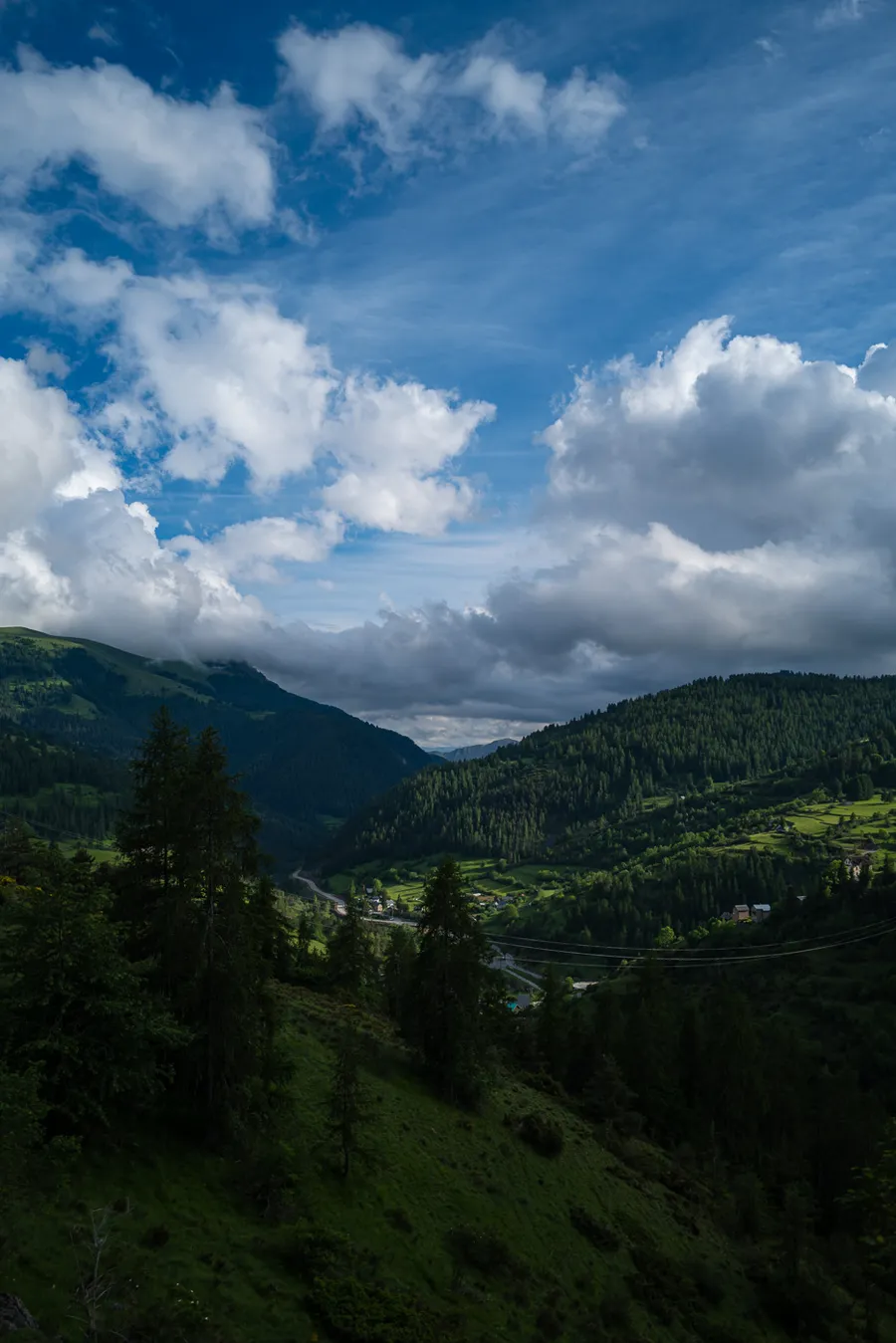
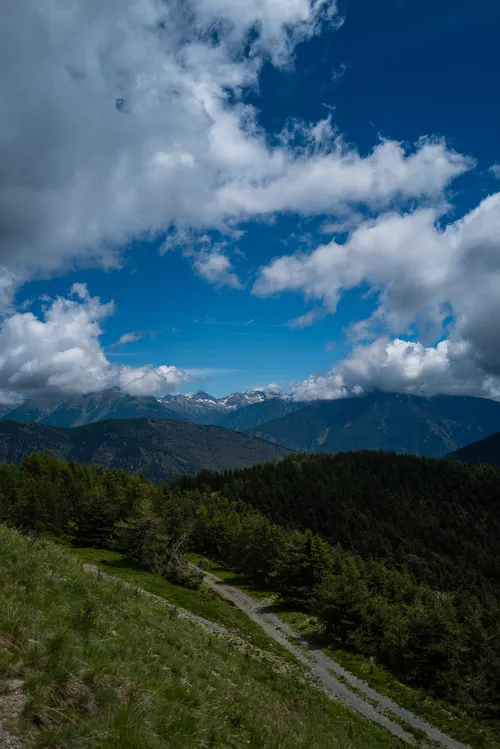
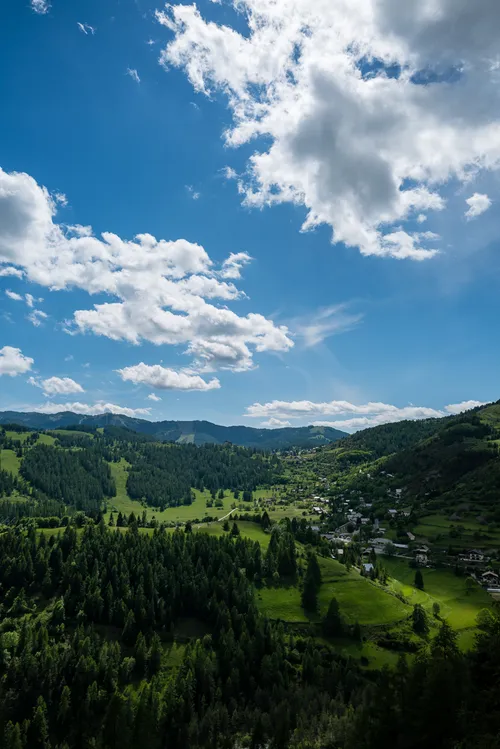
Beuil sits where the Tinée and Cians valleys meet, at around 1450 metres. It's higher than the other villages we stopped at and more open, the landscape wider around it. Less dramatically perched than Roubion, but the altitude is there in the air and the light. We weren't following a plan here. We found a hill above the village and sat on it for a while, reading, with the valley wide and quiet below. There was a wedding somewhere in Beuil that afternoon, and for a stretch one corner of the village was unusually lively while the rest of it stayed calm.
Saint-Sauveur-sur-Tinée
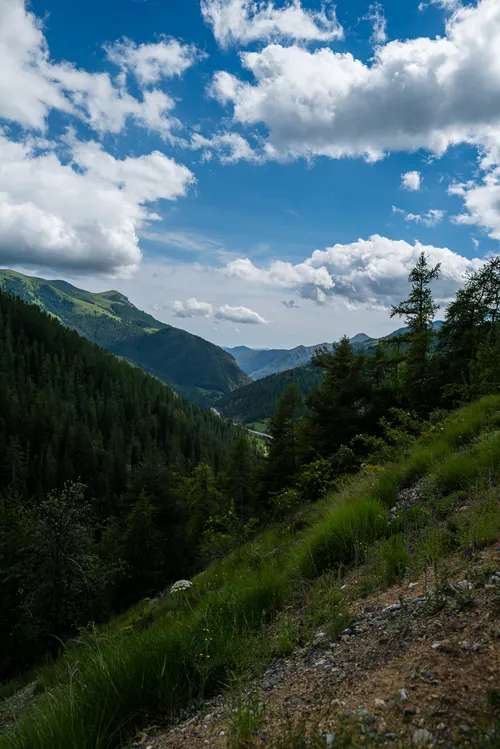
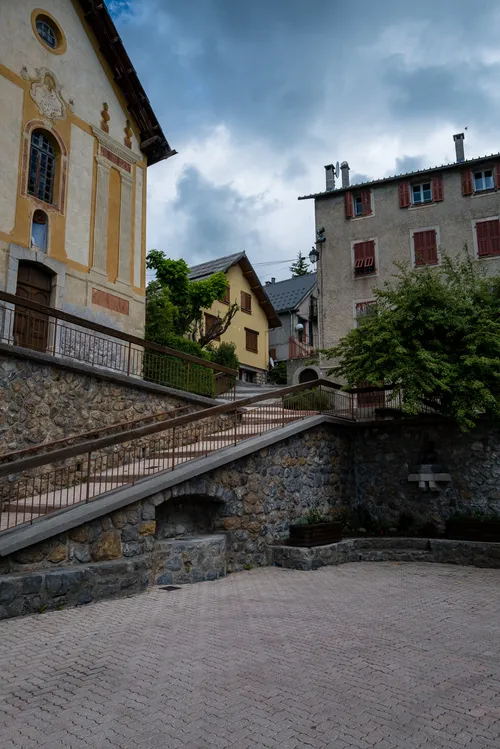
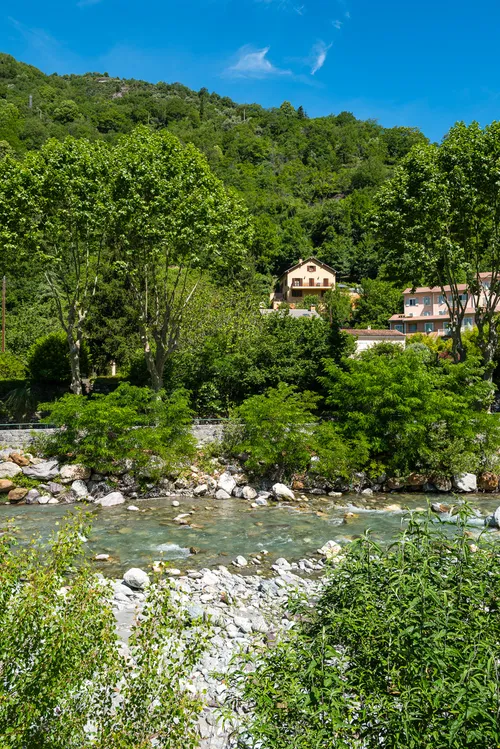
Lower in the valley, and arriving from the ridge villages above, the change is immediate. The sky opens up and the river is right there, running clear and fast beside the road. Something about the Tinée and the lower light gives everything a lushness the higher villages don't have. The old quarter is compact and easy to walk, narrow paths between walls painted in the colours you find in this part of France, and the afternoon light was coming through the lanes when we arrived.
Marie
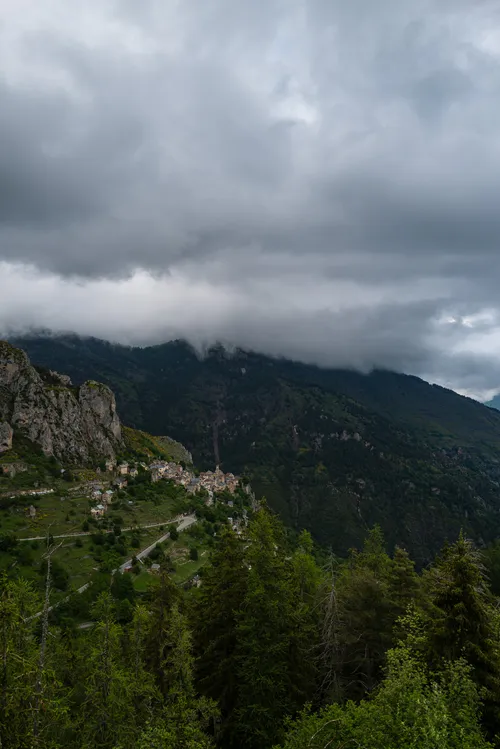
The drive up is long and winding, and we missed the turnoff the first time. On the approach there's a small pull-off with two benches overlooking the valley, and we stopped there for a while before going any further. Marie itself is small and quiet, nestled so tightly against the mountain it looks like it belongs to it. What we hadn't expected were the little metal sculptures scattered through the streets, a quiet surprise in a village this size. Some kids were playing nearby, which was the only sound.
Every photograph in this series is available as a print, made to order.
If any of them speak to you, feel free to start a conversation.